
Climate Resilience, Environmental Stewardship & Sustainability
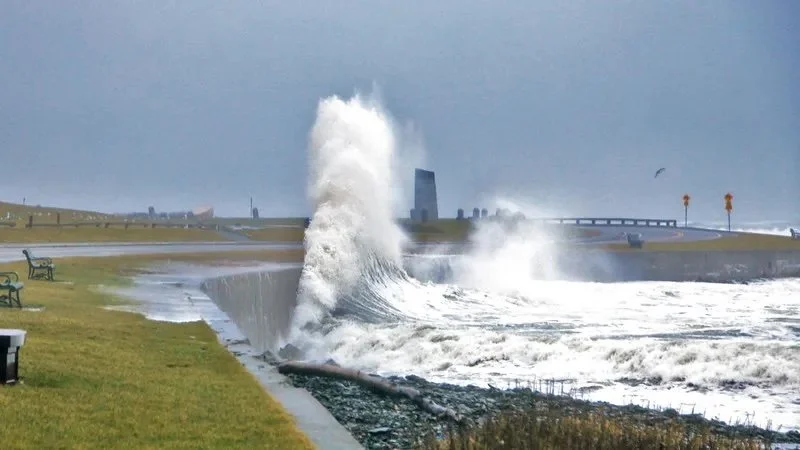
As a historic coastal community, Newport faces unique environmental challenges that require thoughtful planning, long-term investment, and regional collaboration.
Sea level rise, coastal erosion, stormwater flooding, aging infrastructure, increasingly severe weather events, and changing environmental conditions are no longer future concerns—they are realities that affect our neighborhoods, public infrastructure, economy, and quality of life today.
Protecting Newport means preparing for these challenges before they become crises.
Climate resilience is not simply an environmental issue. It is an economic issue, a public safety issue, an infrastructure issue, and ultimately a quality-of-life issue. The decisions we make today will determine how well Newport is prepared to protect its residents, businesses, natural resources, and historic landmarks for generations to come.
Throughout my first term on the City Council, I have worked to move Newport toward a more proactive, strategic approach to environmental planning and resilience.
I was proud to sponsor several initiatives that were approved by the City Council, including:
The Energy & Environment Commission’s 10-Year Strategic Plan, establishing a long-term roadmap for environmental stewardship, sustainability initiatives, climate resilience, and measurable priorities for the Commission over the next decade.
The Resilience and Sustainability Fund Steering Committee, creating a dedicated body to help identify funding opportunities, evaluate resilience projects, and coordinate long-term environmental investments that prepare Newport for the impacts of climate change.
The Green Economy and Clean Energy Bond Improvements to Fort Adams, supporting investments that preserve one of Newport’s most significant historic and recreational assets while improving its long-term resilience and public use.
The Landscaping Ordinance, protecting and expanding Newport’s tree canopy, encouraging sustainable landscaping practices, improving stormwater management, and preserving the environmental character of our neighborhoods.
Together, these initiatives reflect an important shift from reacting to environmental challenges after they occur to planning proactively for the future.
I believe successful environmental policy should be built on four guiding principles:
Strategic Planning
Environmental resilience requires long-term planning rather than short-term reactions. Every major infrastructure investment should consider future environmental conditions, including sea level rise, coastal flooding, stormwater management, shoreline protection, and changing weather patterns.
Planning today reduces costs tomorrow while protecting public assets and minimizing disruptions for residents and businesses.
Collaboration
Newport is not facing these challenges alone.
Communities throughout Rhode Island and coastal cities across the country are developing innovative solutions to many of the same environmental issues we face. By working collaboratively with neighboring municipalities, state agencies, universities, nonprofit organizations, and environmental experts, Newport can benefit from proven best practices while avoiding unnecessary duplication of effort.
Regional partnerships, including Aquidneck Island’s multi-jurisdictional Hazard Mitigation Planning efforts, demonstrate the importance of coordinated approaches to shared environmental challenges.
Innovation
Preparing for climate change requires creativity, flexibility, and a willingness to evaluate new technologies and strategies.
Whether improving stormwater infrastructure, increasing energy efficiency, strengthening shoreline resilience, expanding green infrastructure, or investing in renewable energy, Newport should continue pursuing practical, cost-effective solutions that provide long-term benefits for residents.
Innovation also means aggressively pursuing state and federal grants to reduce the financial burden on local taxpayers while advancing critical resilience projects.
Stewardship
Environmental stewardship is about protecting both our natural resources and our historic character.
Our parks, waterfront, beaches, reservoirs, open spaces, tree canopy, and historic landmarks are among Newport’s greatest assets. Preserving these resources requires responsible management, sustainable development practices, and continued investment in environmental protection.
Protecting these assets not only improves our quality of life but also strengthens Newport’s economy by preserving the unique character that makes our city such a special place to live and visit.
Climate resilience is ultimately about protecting people.
It is about ensuring that neighborhoods remain safe during storms, roads remain passable during flooding, critical infrastructure continues operating during emergencies, public spaces remain accessible, and future generations inherit a city that is stronger, healthier, and better prepared than the one we have today.
By continuing to invest in strategic planning, environmental stewardship, resilient infrastructure, and sustainable practices, Newport can become a model for coastal communities across the country—demonstrating that protecting our environment and strengthening our economy are goals that go hand in hand.