
Infrastructure & Transportation
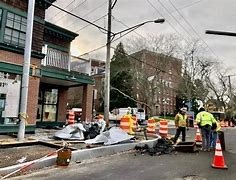
A strong infrastructure system is the foundation of a thriving community.
Safe roads and sidewalks, reliable water and wastewater systems, resilient public facilities, effective stormwater management, dependable public transportation, and well-planned transportation networks all contribute directly to the quality of life of Newport residents.
Infrastructure is not simply about repairing roads or replacing pipes—it is about making thoughtful investments that strengthen our neighborhoods, support our economy, improve public safety, and prepare Newport for the future.
Like many older coastal communities, Newport faces significant infrastructure challenges. Aging roads and sidewalks, flooding, stormwater management, water system improvements, coastal erosion, sea level rise, traffic congestion, parking demands, and increased tourism all place growing demands on our public infrastructure.
Meeting these challenges requires proactive planning rather than reactive repairs. It also requires pursuing state and federal funding opportunities, coordinating with regional and state partners, and making decisions that balance the needs of residents, businesses, visitors, pedestrians, cyclists, motorists, and public transit users.
Throughout my time on the City Council, I have supported investments that improve transportation safety, strengthen neighborhood connectivity, and enhance the overall quality of life for Newport residents.
I was proud to co-sponsor several initiatives that have advanced these goals, including:
Easton’s Pond Station 1, supporting critical public safety infrastructure and ensuring emergency services remain well positioned to serve our community.
Bridge Street One-Way Designation, improving traffic flow and enhancing safety for motorists, pedestrians, and cyclists.
Bridge Street Realignment Parking Improvements, creating safer and more efficient parking and roadway circulation.
Support for Newport’s Bicycle Friendly Community Application, recognizing the importance of expanding safe bicycle infrastructure while encouraging alternative modes of transportation.
Support for RIPTA Funding, urging state leaders to provide sustainable funding that preserves reliable public transportation for Newport residents and the broader region.
Opposition to Proposed RIPTA Service Cuts, recognizing that public transportation is essential for seniors, students, individuals with disabilities, working families, and the local workforce.
Reduced Speed Limits in School Zones, helping improve safety for children, families, school staff, and pedestrians.
Snowstorm Preparedness and Snow Removal Operations, strengthening planning and communication to improve public safety during winter weather events.
Traffic Calming Measures on Maple Avenue, responding to neighborhood concerns by supporting safer roadway design and reducing excessive vehicle speeds.
The Energy & Environment Commission's 10-Year Strategic Plan, which I sponsored to establish a long-term framework for protecting Newport's natural resources, strengthening environmental resilience, guiding sustainability initiatives, and ensuring the Commission has clear priorities to address the community's environmental challenges over the next decade.
These initiatives reflect a practical approach to infrastructure—one that prioritizes public safety, neighborhood livability, accessibility, and responsible planning.
As Newport continues to grow, transportation planning must evolve alongside it.
Creating a safer transportation network means designing streets that accommodate everyone—drivers, pedestrians, cyclists, public transit riders, emergency responders, and individuals with mobility challenges. Investments in sidewalks, crosswalks, bicycle infrastructure, traffic-calming measures, and accessible streets improve safety while encouraging healthier and more sustainable ways to move throughout our city.
Public transportation also remains a critical component of Newport’s transportation system. Reliable RIPTA service supports workforce mobility, reduces traffic congestion, provides independence for residents who do not drive, and strengthens our local economy. Continuing to advocate for stable transit funding is essential to maintaining these benefits.
Infrastructure planning must also incorporate climate resilience. As a coastal community, Newport must continue investing in flood mitigation, shoreline protection, stormwater improvements, roadway resilience, and utility upgrades to address the impacts of sea level rise and increasingly severe weather events.
Equally important is utilizing the tremendous expertise that already exists within our community. Newport is home to professionals in engineering, architecture, environmental science, planning, higher education, transportation, and the military. Institutions such as Salve Regina University, the Community College of Rhode Island, the Naval War College, and the Naval Undersea Warfare Center represent valuable resources that can help inform innovative solutions to our infrastructure challenges.
The future of Newport depends on thoughtful, long-term planning—not short-term fixes. By investing strategically in infrastructure, strengthening transportation options, improving safety, and preparing for future challenges, we can build a more resilient, connected, and sustainable Newport for generations to come.